
Banjul, The Gambia
Thursday 25th June 2026
Today we visited another country that neither Dave nor I had ever been to before or even knowingly met anyone from. I suspect many Australians would struggle to point to The Gambia on a map, despite it having one of the most unusual shapes of any country in the world.
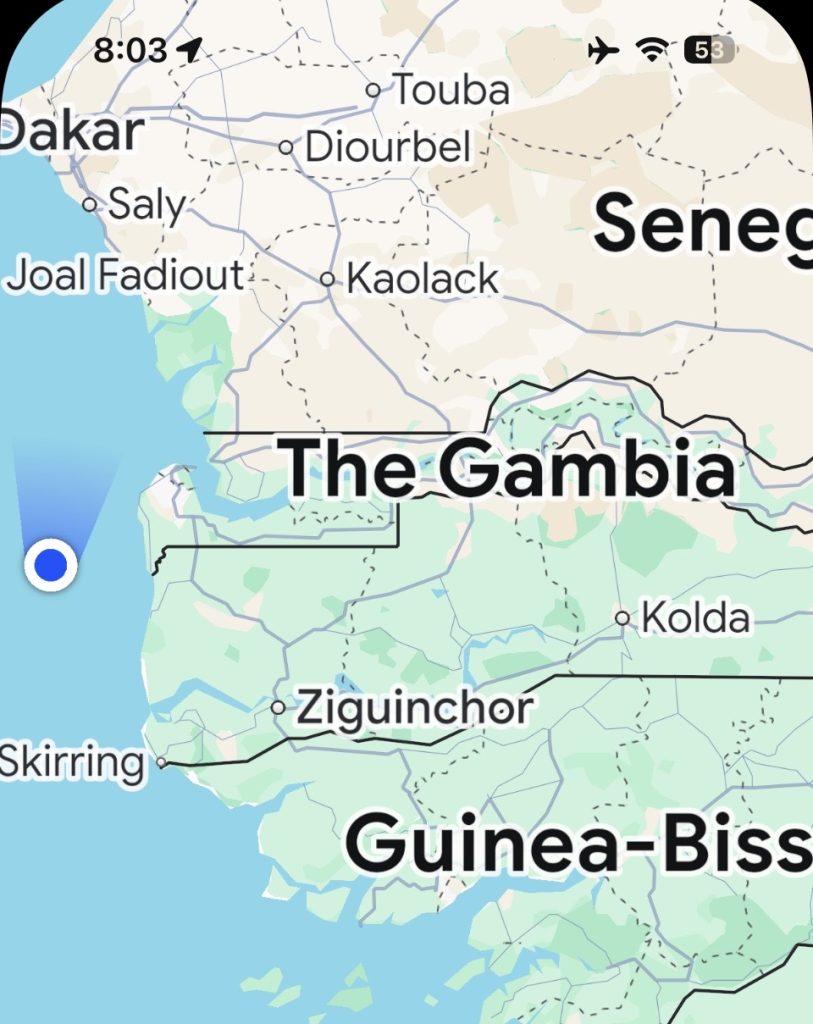
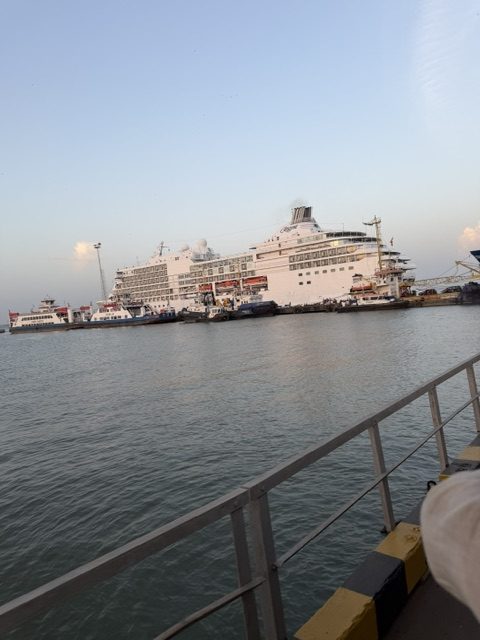
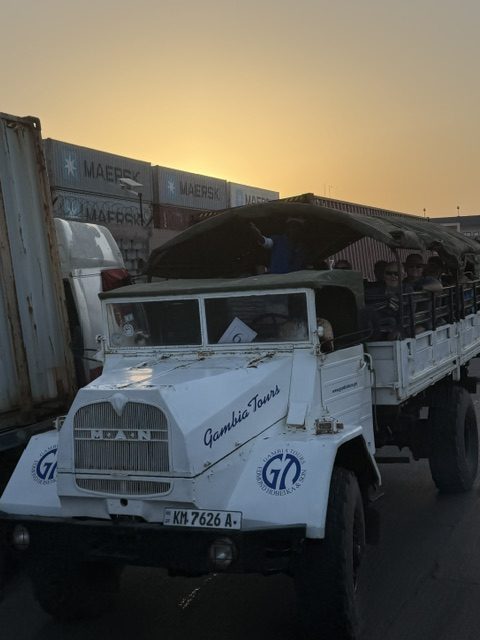
Our arrival into Banjul was delayed by a couple of hours due to departing late from Cote D’Ivoire on Monday, which meant all the shore excursions were pushed back. Fortunately, there was no great rush – African time seems to be a little more relaxed than cruise ship time!
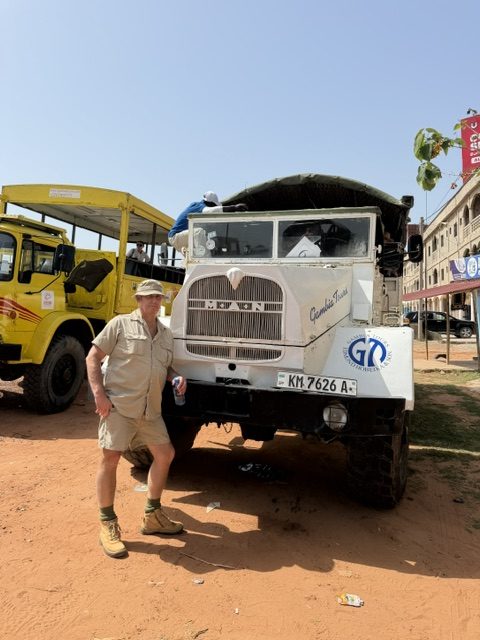
We climbed aboard large open-air 4WD trucks for what turned out to be an interesting day exploring life in and beyond the city. At 33 degrees with humidity you could almost swim through, the open sides of the truck were definitely appreciated.
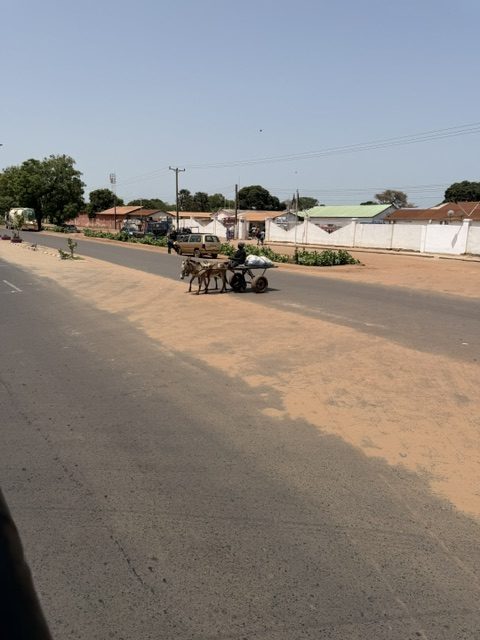
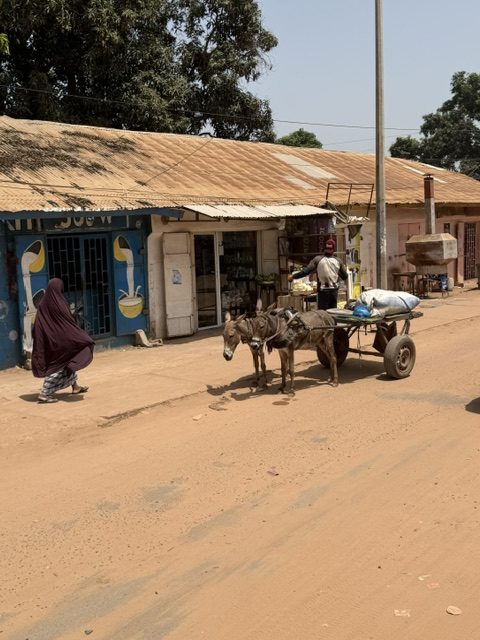
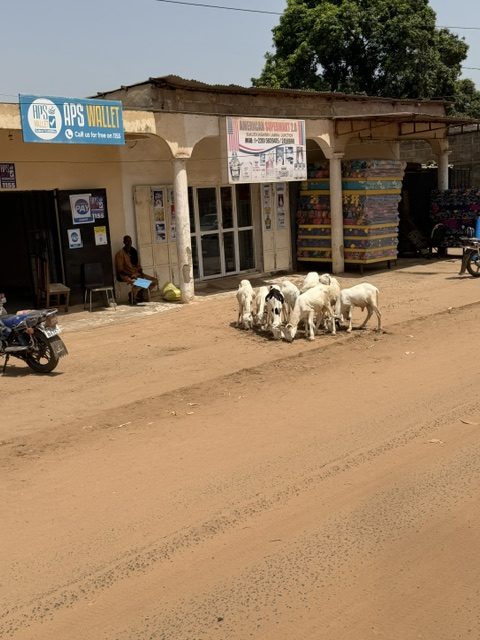
One thing became obvious almost immediately. The Gambia is a very poor country.
Our guide was refreshingly honest, explaining that electricity is unreliable, demonstrations had taken place only days earlier over living conditions, and tourism remains one of the country’s biggest sources of income. He certainly wasn’t trying to present a polished version of life.
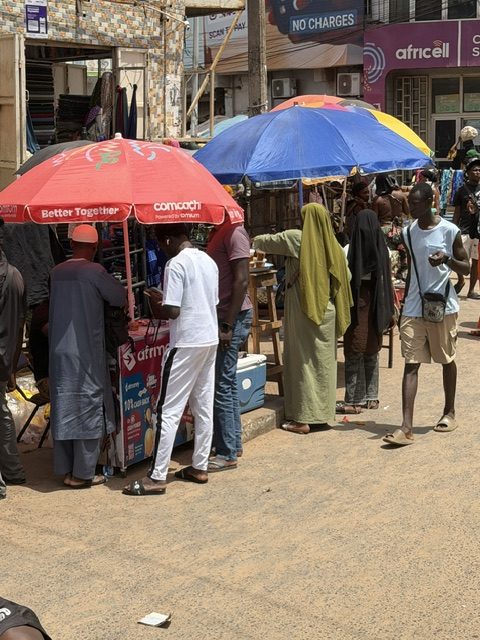
One thing that surprised me was seeing my eSIM happily working away on my phone while we bounced along roads lined with extremely basic housing. Technology seems to find its way everywhere.
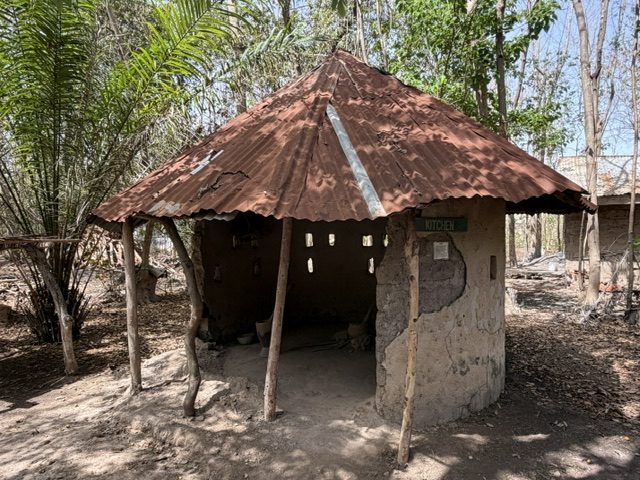
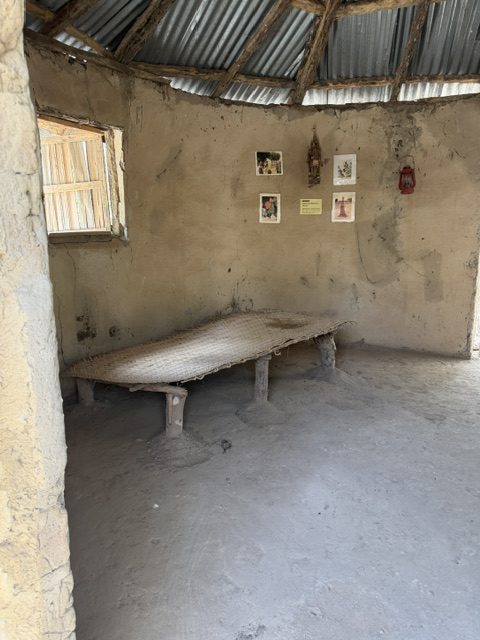
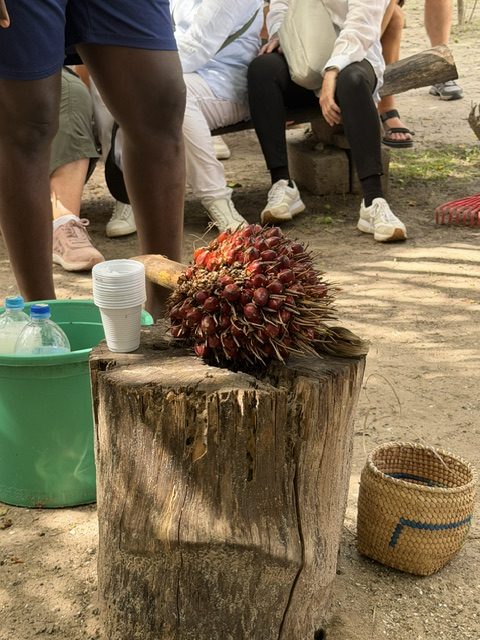
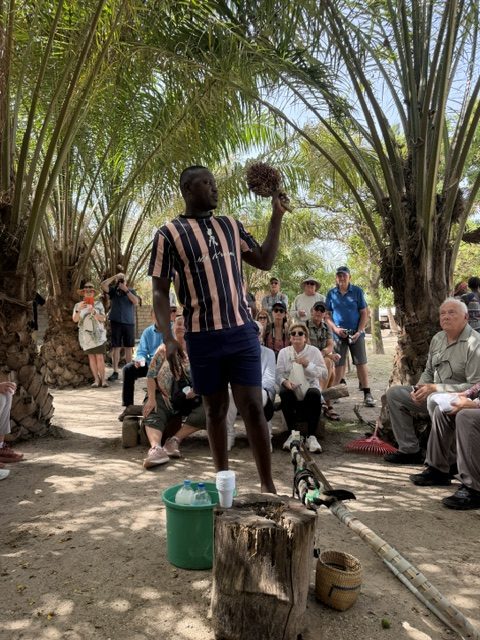
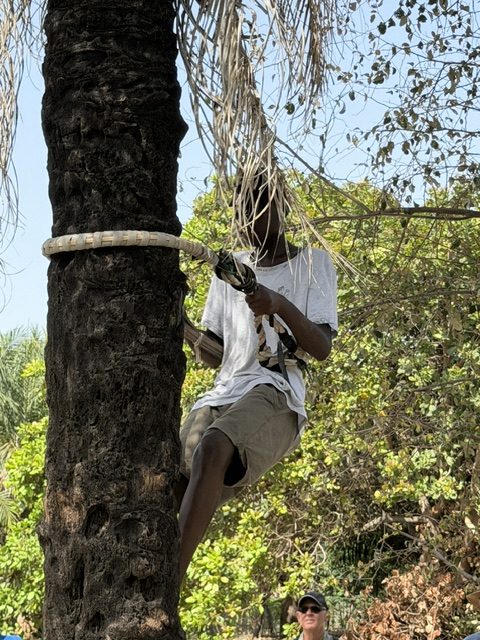
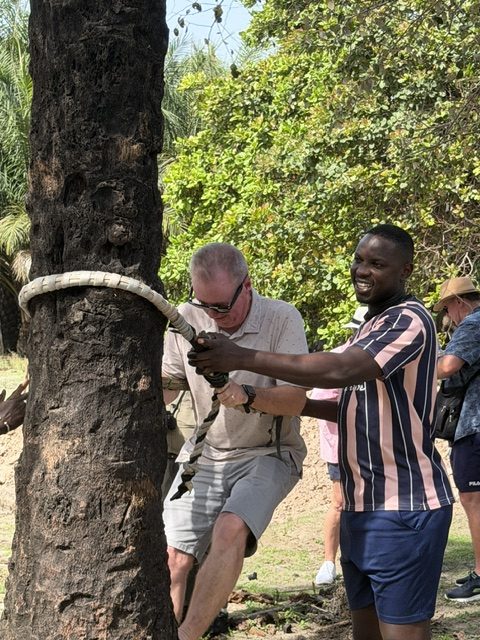
After driving through the city of Banjul, our first stop was a small private museum showing the history of The Gambia and explaining about life for the locals, before we visited a small farm that taps palm trees for wine. I had imagined the wine came from the fruit, but instead it’s collected from the sap in the flower stalks, a bit like maple syrup. Freshly collected, it’s only about five per cent alcohol but leave it sitting in a tightly sealed jar and it becomes much stronger. A young man demonstrated how to climb a palm tree (and one of our fellow cruisers gave it a go too – quite successfully). They also distil cashew fruit into what locals affectionately call “Gambian Gin.” Plenty of people tasted both the wine and the ‘Gin’ but we both gave it a miss!
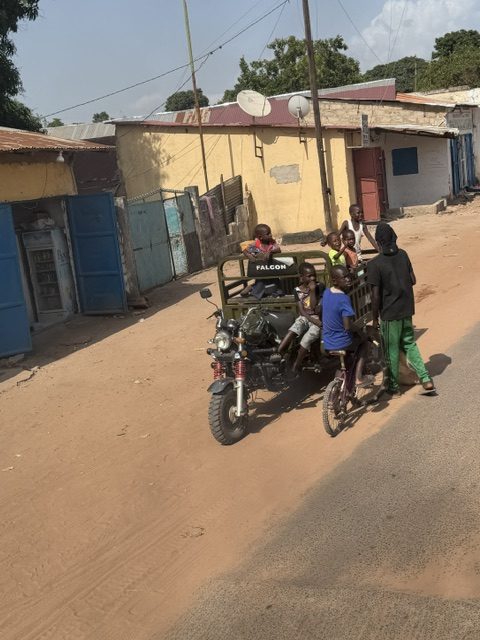
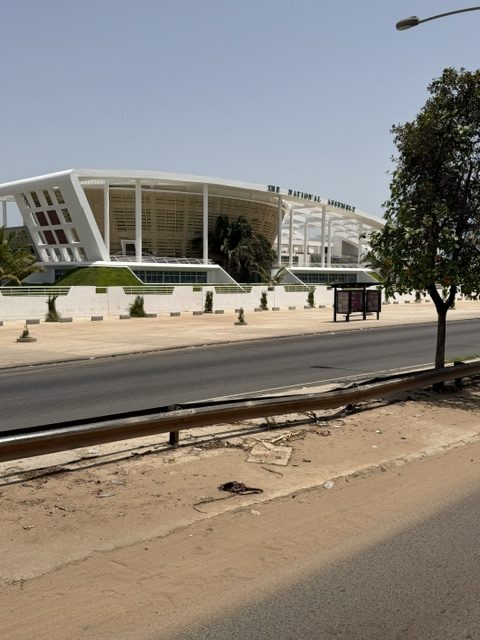
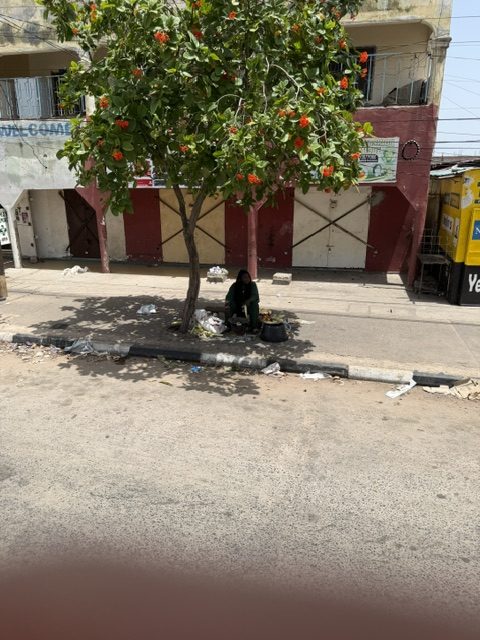
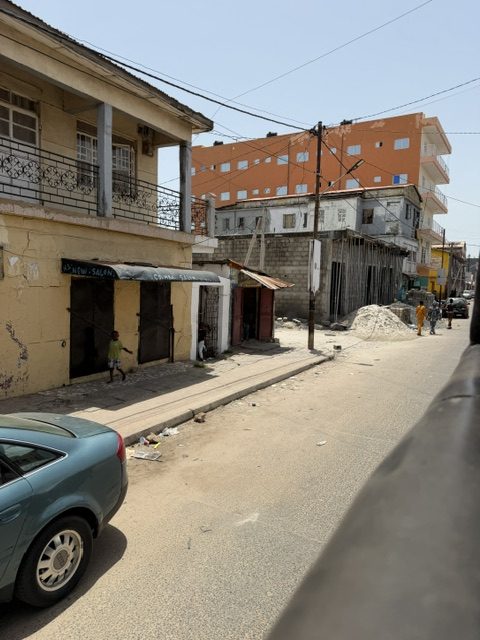
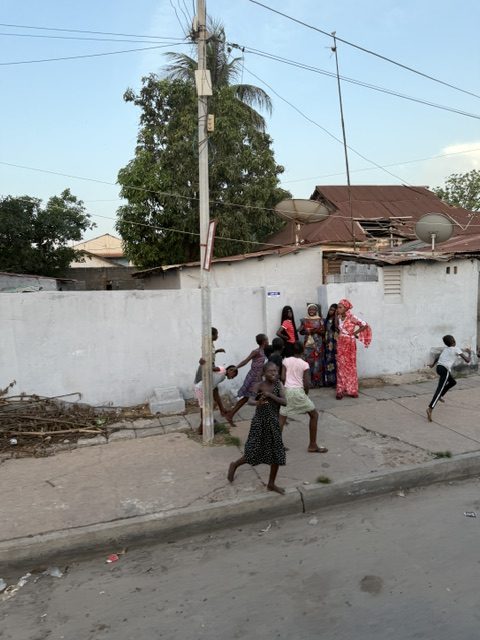
I wish cameras could capture smell, but in this case it’s probably a good thing they can’t!
As we drove through the fishing village where fish are smoked and dried beside the beach, the aroma was… unforgettable. The peanut processing plant was equally off-putting… I was hoping it would smell like roasting peanuts but instead the extraction of oil smells rather putrid.
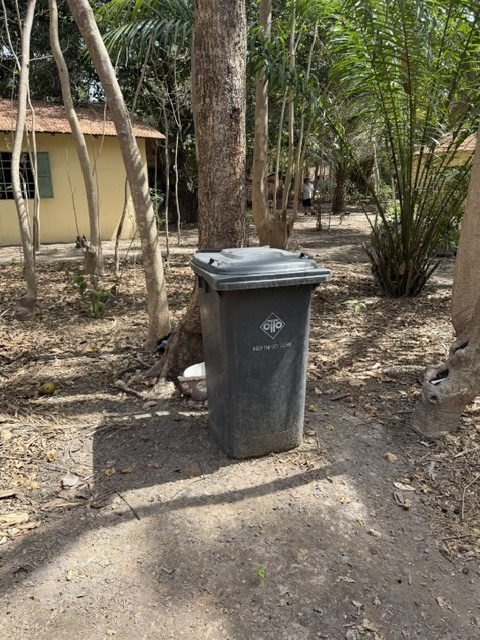
Another thing we smelt was the large amount of rubbish. We thought Côte d’Ivoire had a plastic problem, but this was on another level. Plastic bags, bottles and all sorts of other litter lined many of the roads, and in the entire day I saw just one public rubbish bin. It reinforced something I’ve been thinking throughout this trip – the world desperately needs a better answer to single-use plastics, and Rwanda’s approach of a compulsory monthly cleanup day was an effective approach that others could perhaps take on?


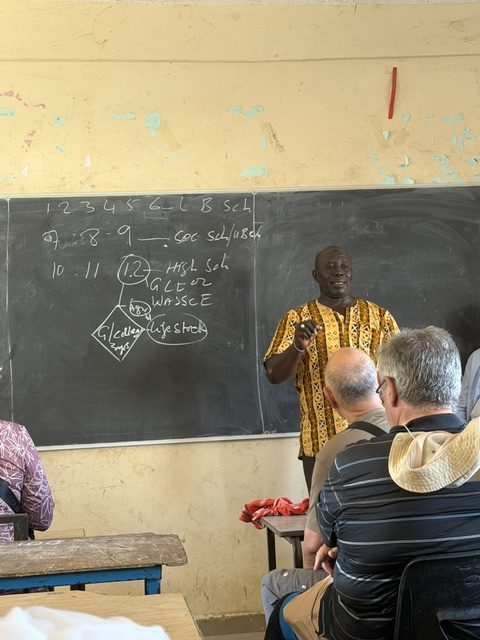
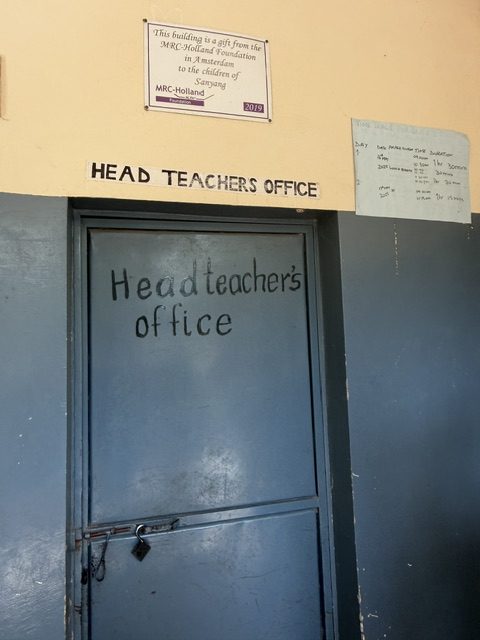
Probably the highlight of the day was visiting a local school. Despite it being a public holiday for EID celebrations, the head teacher stayed late for us especially to explain how the education system works. We all got a lesson from the chalk blackboard!
The school began in 1964 with just 12 students. Today it has around 2500 students but only 43 teachers, with each teacher responsible for well over 120 children. To fit everyone in they run two separate school sessions daily, with the teachers working across both sessions. From what he told us, the Government is doing its best to modernise the school system and encourage attendance, but it seems it still has a way to go. Female students make up just over half of the school population – which is a significant improvement from as little as five years ago when most girls didn’t attend school. The university system is also still developing, so many students who want higher education head to other countries.
It certainly makes you appreciate the opportunities we have in Australia.
Later we visited a family compound where 17 related families live together, a typical living arrangement in The Gambia. Each compound shares a water well along with cooking, cleaning and caring for the children. Living conditions were incredibly basic by Australian standards, yet the atmosphere felt warm and communal. Children were laughing, playing together and seemed genuinely happy. Perhaps a timely reminder that happiness and possessions don’t always go hand in hand.
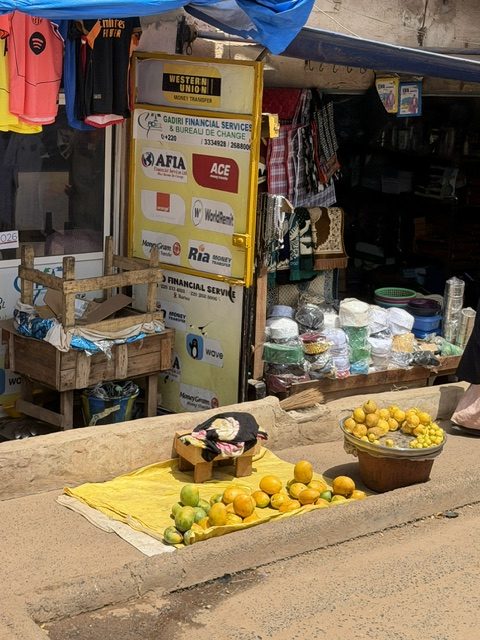
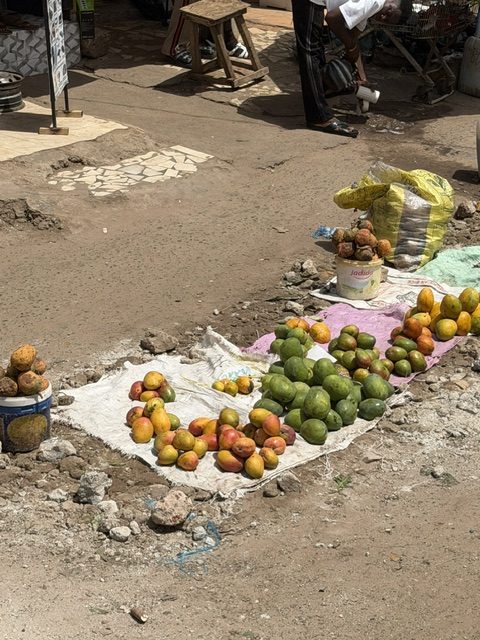
The roadsides were busy with fruit stalls overflowing with all sorts of fruit and in particular lots and lots of wonderful looking mangoes – it’s peak mango season – along with market gardens producing vegetables. Rice is the staple food because it’s inexpensive, although seafood is also important. Oysters are harvested locally, with a local specialty being oyster omelettes, and even the shells are crushed to make paint. Very little goes to waste, which I was pleased to see.
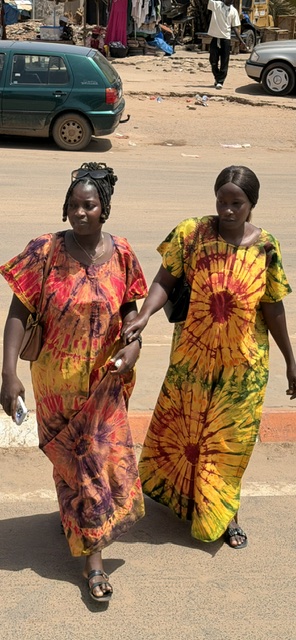
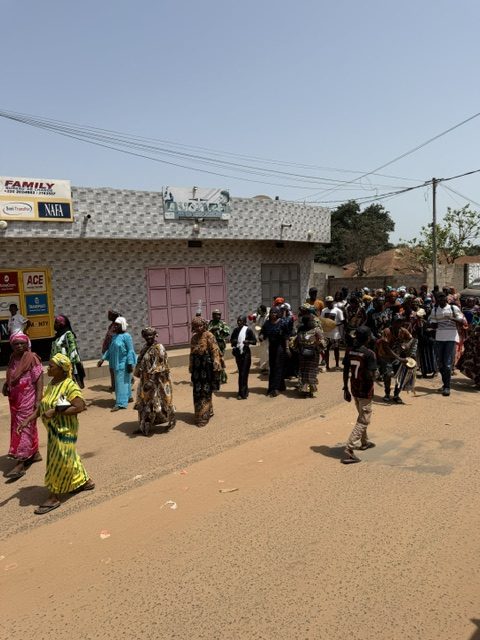
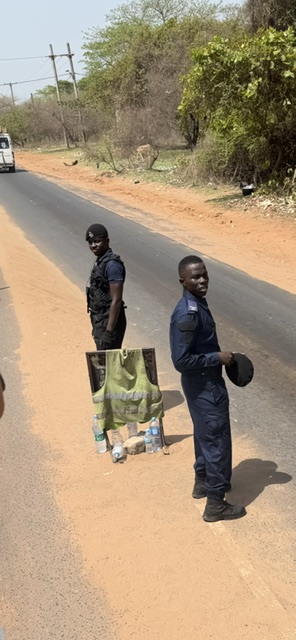
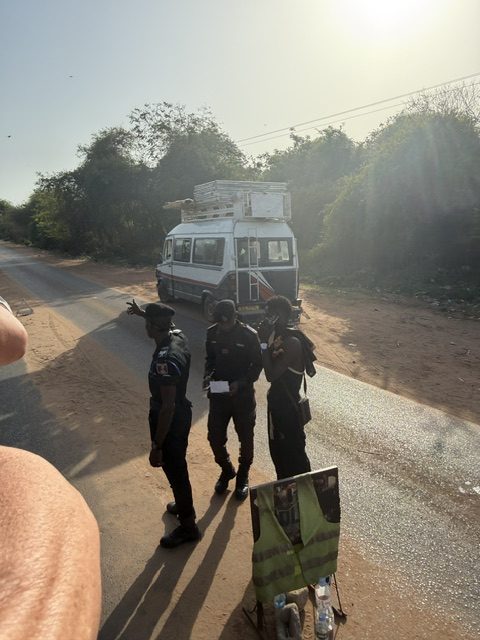
At one stage we drove past a colourful wedding procession, with what seemed like half the neighbourhood dressed in bright traditional clothing dancing their way along the road. For me, it was one of those unexpected moments that make travelling so enjoyable, Dave however preferred looking at the police roadblocks which we came across about half a dozen times.
As I’ve mentioned in previous blogs, I find life expectancy an interesting snapshot of a country’s wellbeing. In The Gambia it’s around 66 years, a little higher than several of the countries we’ve recently visited, which actually surprised me giving the living conditions we saw. Perhaps the abundance of fresh fruit helps, perhaps lower malaria rates play a part, or perhaps it’s a combination of many factors. HIV/Aids is the leading cause of death with malaria coming in only at eighth.
Crime, however, remains a challenge, and our guide was very open about that too. We passed a large prison, and the guide joked it was the cheapest place in town to live. Petty crime is common and political demonstrations are regular. While a decline in murder cases recently signals some success the simultaneous rise in other serious crimes such as rape, arson, drug use and robbery is worrying. No doubt poverty is having a significant impact.
A few interesting facts about The Gambia:
- It is mainland Africa’s smallest country and is almost completely surrounded, apart from its coastline, by Senegal.
- The country follows the course of the mighty Gambia River, with only a small Atlantic coastline.
- Around 2.8 million people live here, and the average age is only about 18 years, making it one of the youngest populations in the world.
- Around 95 per cent of the population is Muslim.
- Although it was once a British colony, unlike most former British territories they drive on the right-hand side of the road.
- Banjul, the capital, sits on an island at the mouth of the Gambia River, which is salt water near the ocean before becoming fresh water further inland.
- Peanuts are one of the country’s major exports (120,000 tonnes)
The Gambia isn’t a place people visit for luxury. It’s a country that challenges your perspective. Life is undeniably tough for many people here, yet everywhere we went we were greeted with smiles, lots of waves and friendly faces.
It’s another reminder that travel isn’t always about seeing beautiful buildings or ticking famous landmarks off a list. Sometimes it’s just about spending a day seeing how other people live—and coming home just a little more grateful for your own circumstances.
We arrived back at the ship just before 7:30pm, had a quick shower and headed to dinner. The waiter wouldn’t let us open the curtains – he said the captain won’t let them open them after dark due to the high risk of pirates in this area. Dave asked, “Do you have a gun if we see pirates,” and he said, “No, I just close the curtains and hope for the best!” 😉 😉
Tomorrow, we arrive in Dakar, Senegal at 8am and don’t leave till 10pm. I’d best get to bed to prepare for another big day!
Sara
I’m sure Dave will save the day if you do come across pirates! I need to spend more time with the atlas; I did not know there was a The to go with Gambia, and I certainly couldn’t have picked it by shape.
Dave is good like that 😉