
Arrecife, Lanzarote, Canary Islands, Spain
Wednesday 1st July 2026
Today was a bit of a milestone on our journey. We finally made it to Europe… well, sort of!
Our port was Arrecife, the capital of Lanzarote, one of Spain’s Canary Islands. Politically we’re in Europe because the islands are an autonomous community of Spain, but geographically it’s a different story. We’re actually only about 100 kilometres off the northwest coast of Africa, while mainland Europe is more than 1,000 kilometres away. So, after all that excitement about reaching Europe, we’ll actually be back in Africa tomorrow when we arrive in Morocco!
It was also a special day because it was Dad’s 86th birthday. Happy Birthday Dad! ❤️ (it’s still the first here, but the 2nd in Australia). We’ll call Dad later tonight our time, when it should be wake-up time for him in Australia. So good having the ship’s surprisingly decent (and free!) internet. Not a bad way to celebrate from the other side of the world but wish you were with us Dad!
Even though I love rocky seas, after the past two days of rolling around in 3–5 metre swells, we were both very happy to feel solid ground under our feet again. Even walking in a straight line felt like a novelty.
Lanzarote is one of eight main Canary Islands and is home to around 170,000 people, with more than 20 per cent of residents were actually born overseas. The whole Canary Islands group has a population of around 2.3 million people.
It doesn’t count as a “new country” for our travel tally because it’s part of Spain, but it certainly feels like a destination in its own right.
Yesterday we finally got our passports back from Reception after they’d been held for various immigration formalities. I was very pleased to discover that most of the countries we’ve visited had actually stamped them. As you probably know, Dave loves collecting passport stamps, so he was very happy.
A couple of days before arriving we decided to can our planned catamaran cruise excursion and swap it for a National Park and winery tour of the island. At the time I wasn’t sure if we had made the right decision, but after experiencing the wild weather at sea, I’m not sure spending the day on another boat would have been our smartest decision!
The island itself is fascinating. It’s only about 70 kilometres long and 25 kilometres wide, so you can drive from one end to the other in around an hour and a half. That makes it roughly twice the size of Taveuni (Fiji), which I mentioned in my last post and has been Dad’s second home for the past 10 or so years.
As we drove south the scenery was immediately different from anywhere we’ve been before. Still dry and rocky like our last couple of stops, but with modern highways, beautiful, whitewashed homes, stylish resorts and immaculate roads. Also, unlike where we have been lately, there were lots of garbage bins… with a range of recycling options!
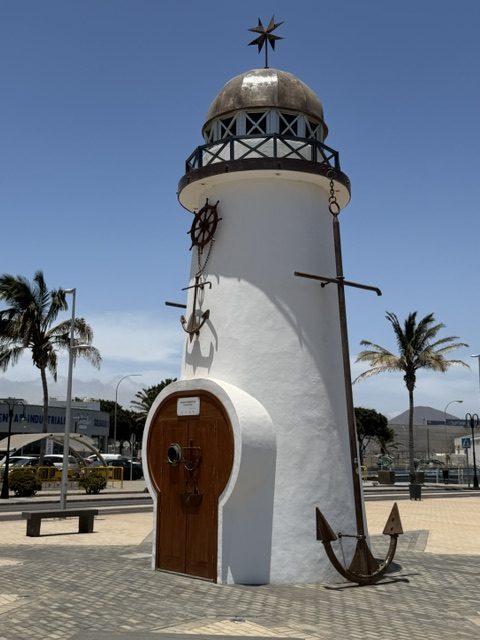
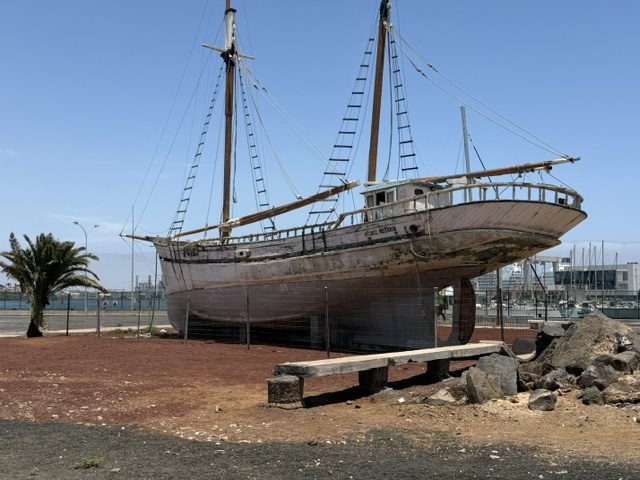
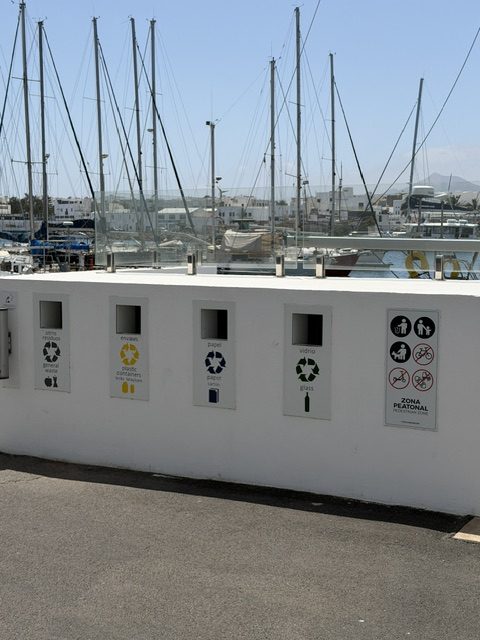
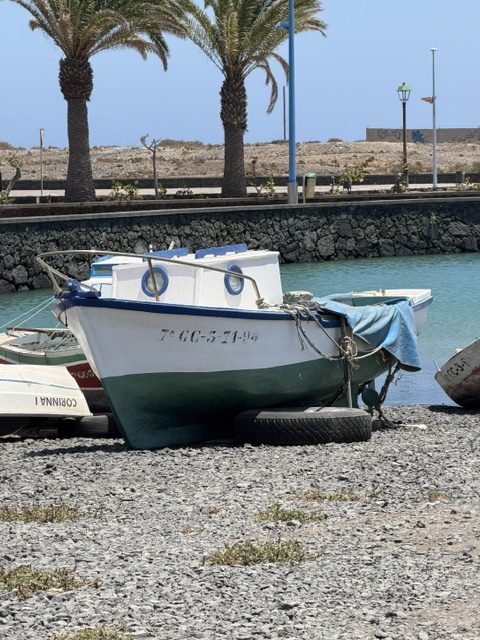
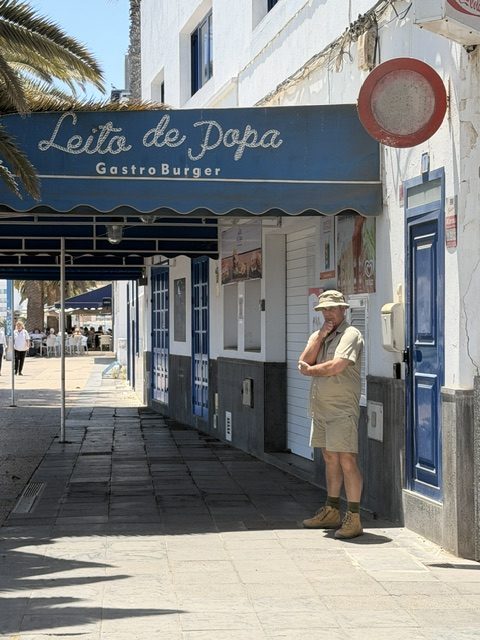
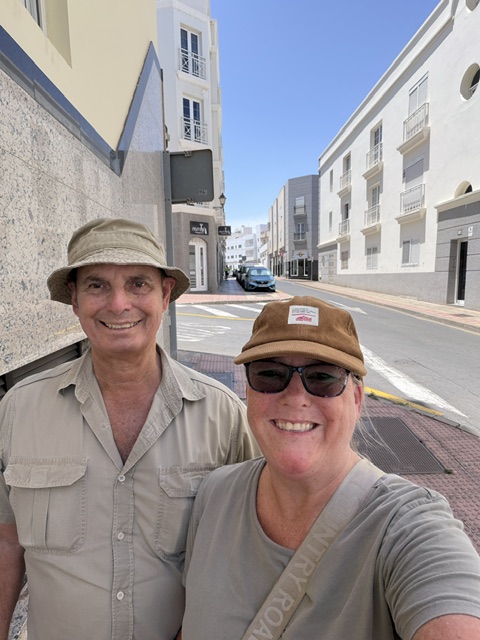
Every house is painted white, there are no billboards anywhere on the island and buildings are generally limited to six storeys. It all gives Lanzarote a surprisingly clean, uncluttered feel.
The reason for the strange landscape soon became obvious.
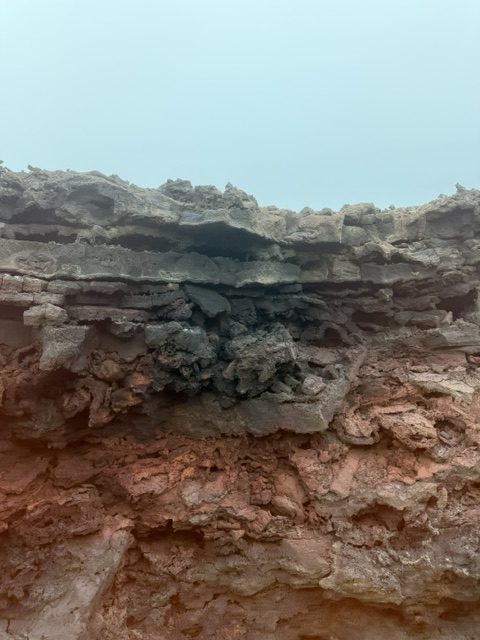
Lanzarote is basically one giant volcanic masterpiece.
Between 1730 and 1736, volcanoes erupted almost continuously for six years, burying entire villages and covering around a quarter of the island in lava. Amazingly, because the eruptions were relatively gentle rather than explosive, no lives were lost.
Our first destination was Timanfaya National Park, a 51-square-kilometre landscape that genuinely looked like Mars.
Forget “moonscape” … this was more Marsscape.
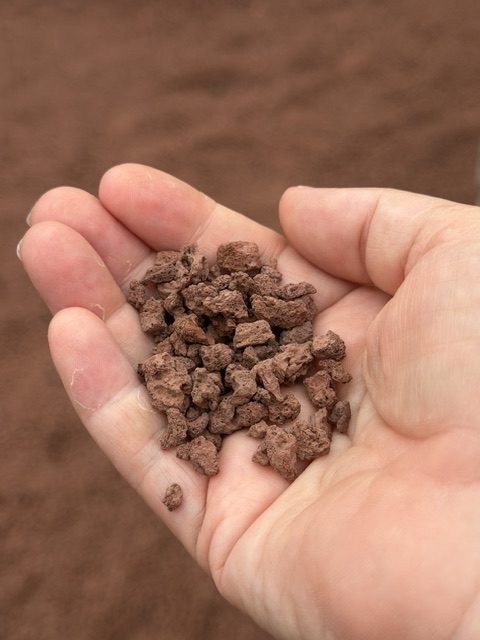
The colours changed from black to rusty red to burnt orange, with barely a tree in sight. Apparently NASA and European researchers have even used the area to test equipment because it’s one of the closest landscapes on Earth to conditions on Mars.
By the time we reached the highest point, about 500 metres above sea level, the clouds had rolled in and thick fog drifted across the craters, making everything feel even more eerie.
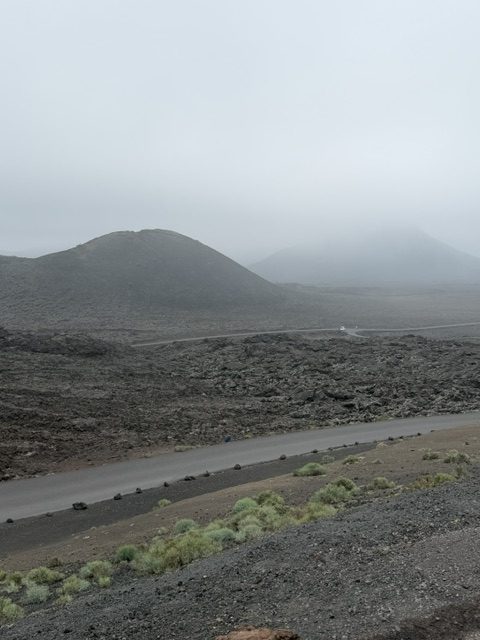
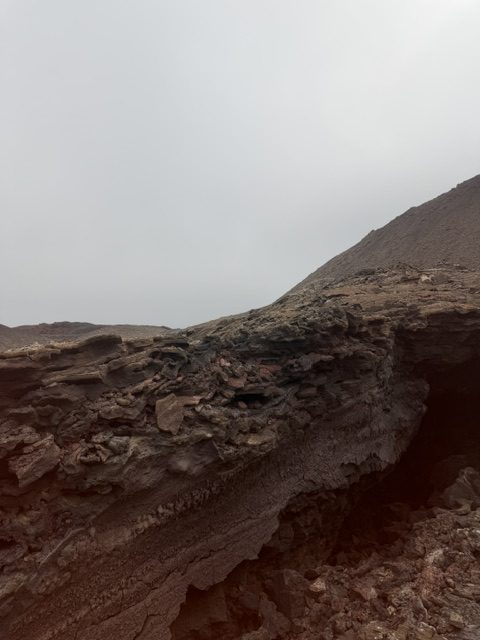
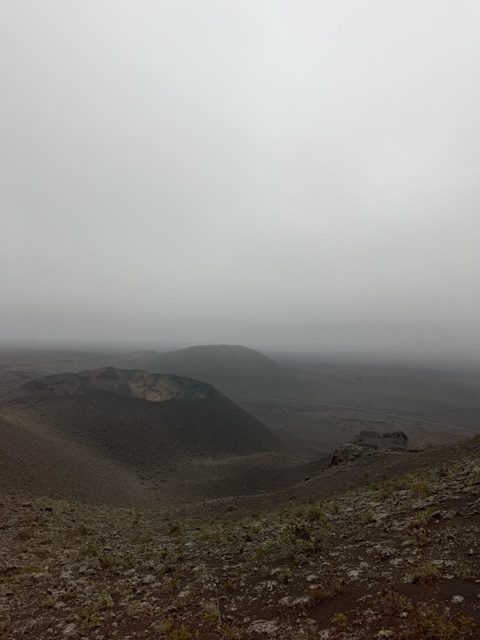
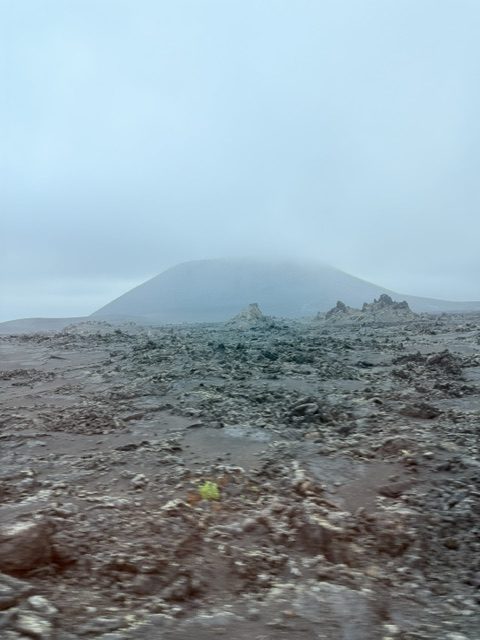
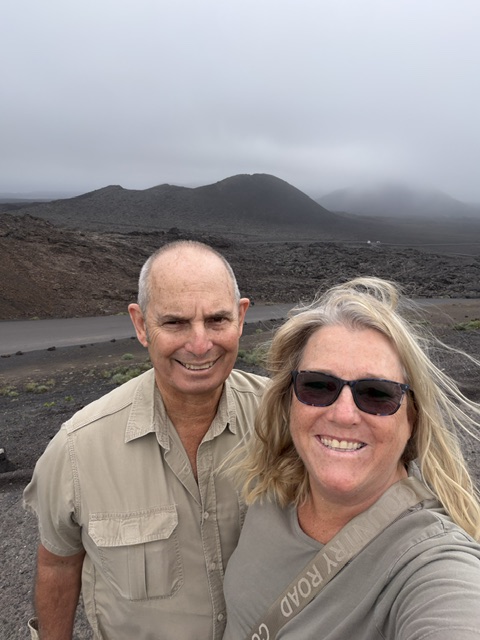
It reminded us a little of some of the incredible volcanic landscapes we’ve explored with Will and Emma over the last couple of years in Iceland, Ireland and Bolivia. I know they would absolutely love this place.
The park receives around 90,000 visitors every month, so it’s tightly protected. Visitors can’t simply wander around wherever they like, and environmental officers make sure everyone sticks to the rules.
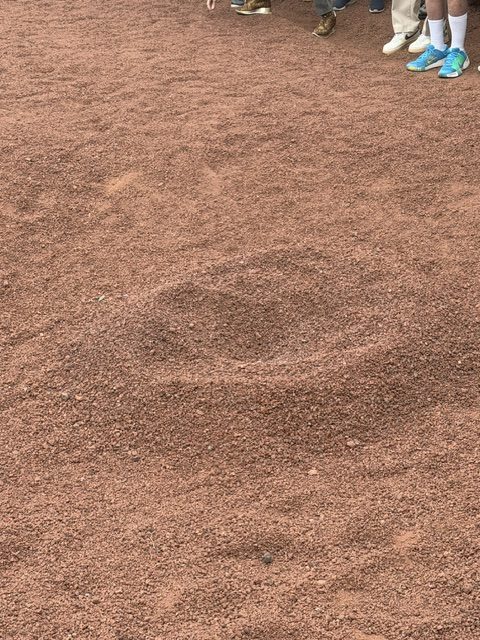
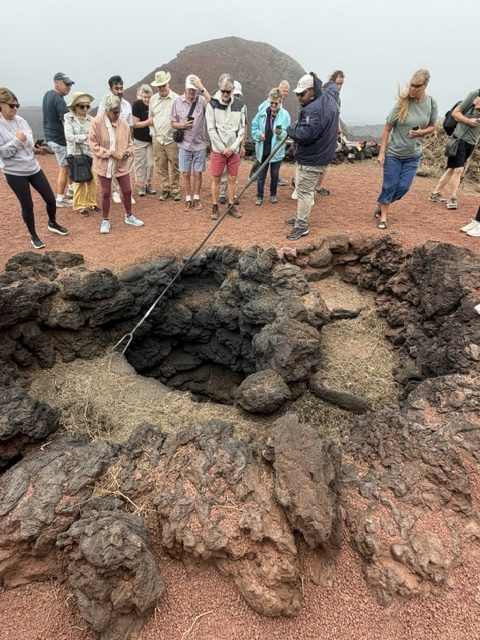
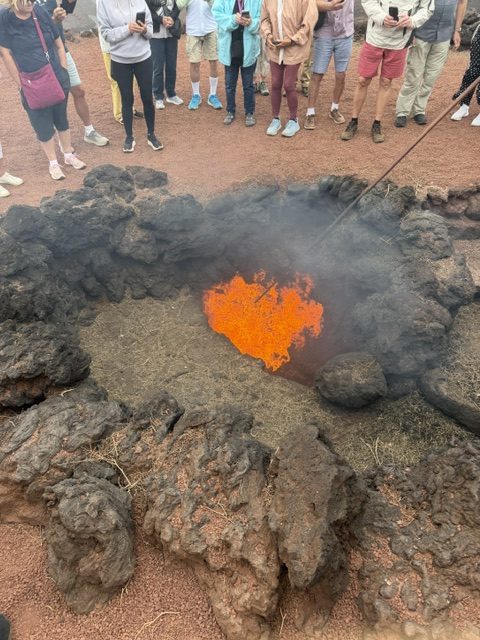
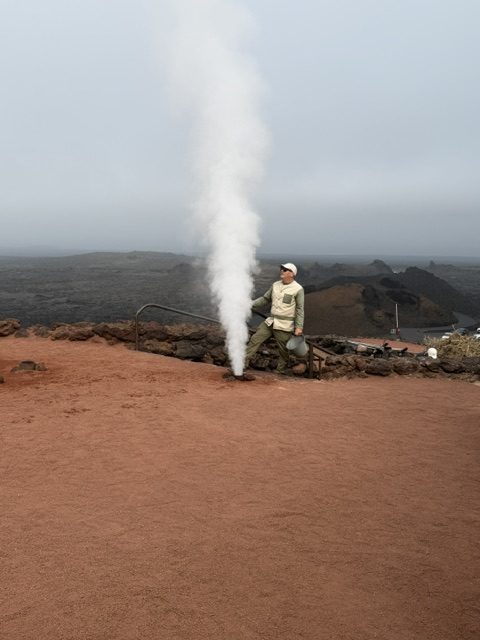
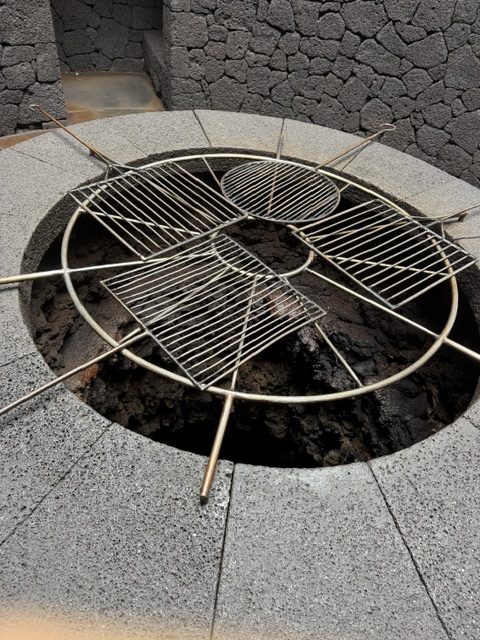
It was really interesting seeing just how much heat still sits beneath the surface. Our guide scraped away some of the volcanic gravel and it was almost too hot to touch. Then water was poured down a hole and within seconds a huge column of steam shot back into the air. The magma chamber was still deep below us, quietly heating everything from underneath.
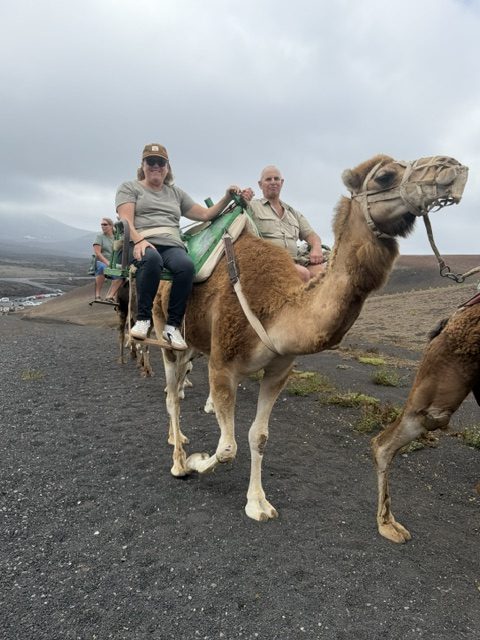
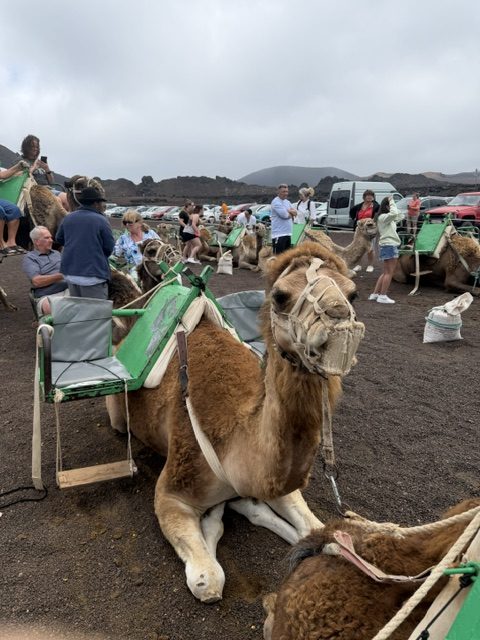
From volcanoes… to camels!
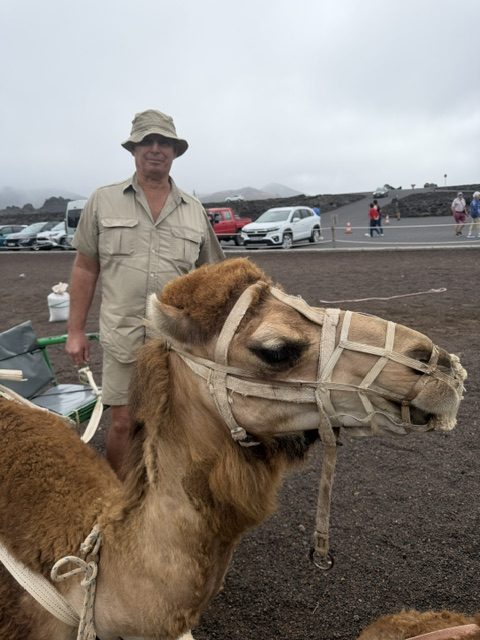
On the drive we passed a giant camel statue before arriving at the real thing.
The safety briefing was simple:
“Heavier person on the left… both sit down at exactly the same time… and hold on!”
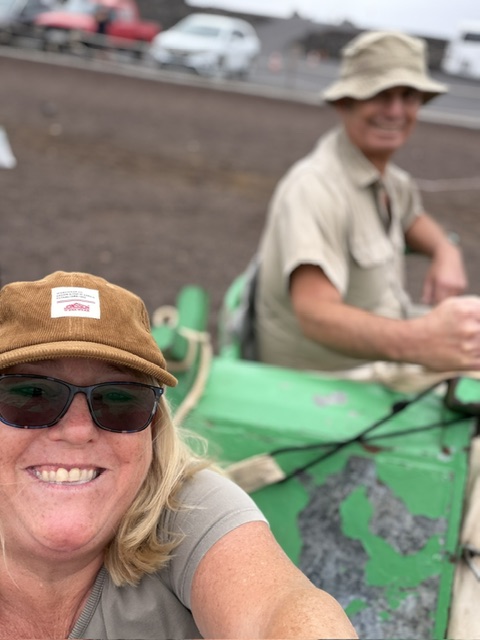
Thankfully Dave followed instructions 😉
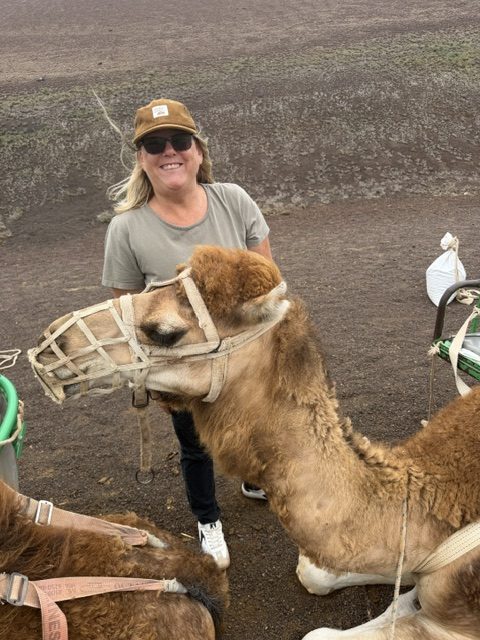
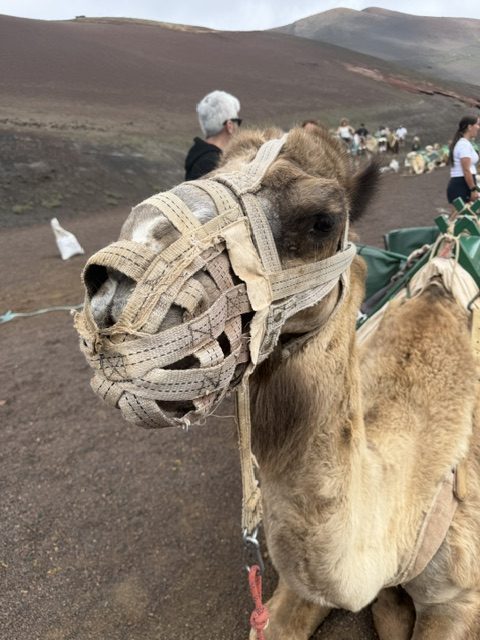
We bounced our way around the volcanic slopes for about twenty minutes. It was surprisingly well organised, although I have to admit I felt a little sorry for the camels. They apparently carry around 2,000 riders every day. Our camel did seem happy, but I don’t think I’ll encourage the practice by doing that again.
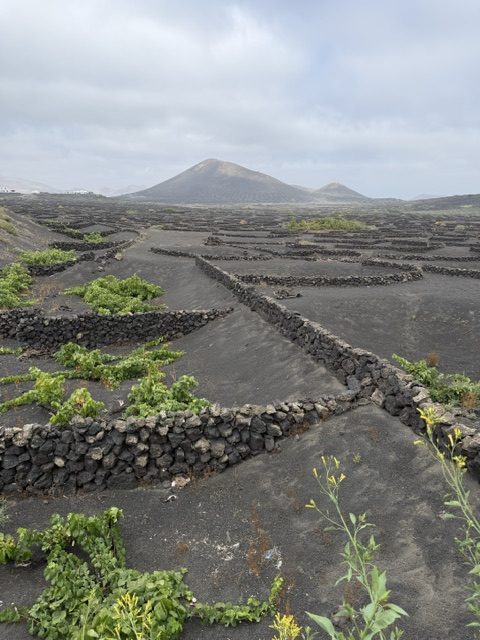
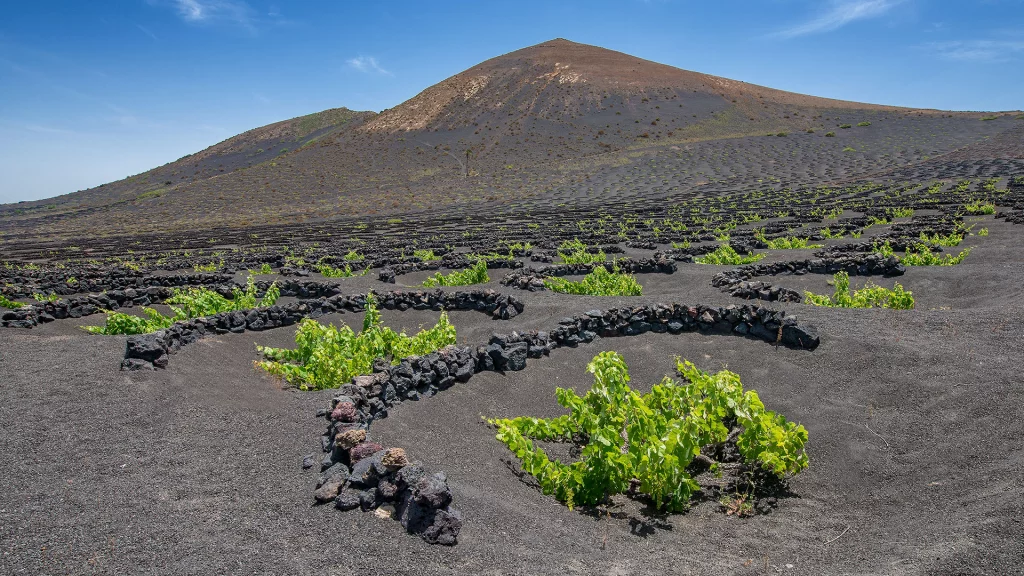
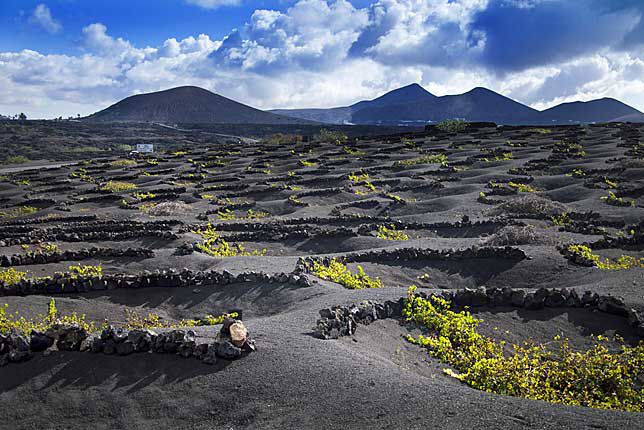
One thing that surprised me was the wine industry here.
Lanzarote receives only around 150 millimetres of rain each year, making it almost desert-like, yet it’s famous for its wines.
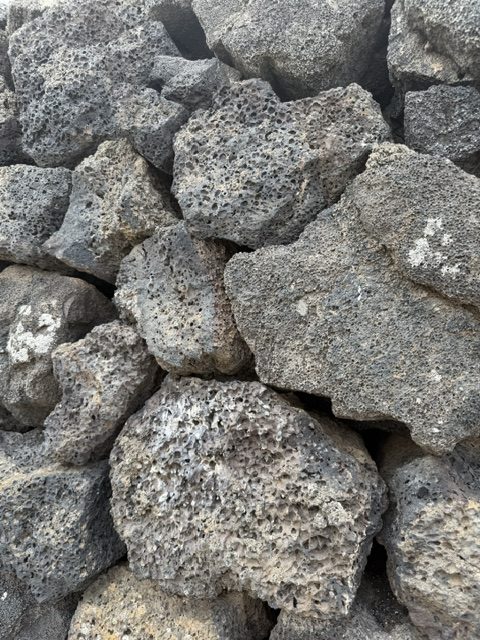
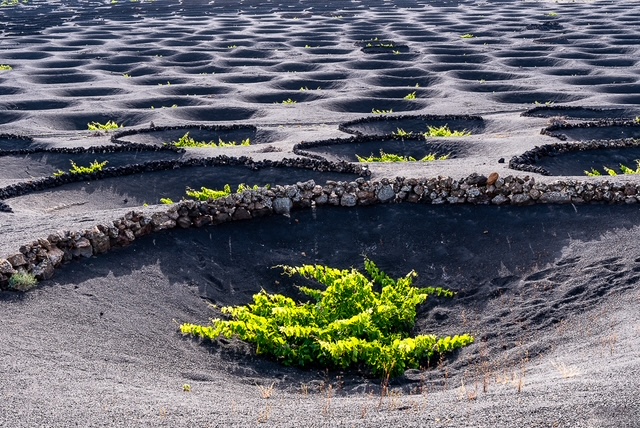
Each grapevine grows in its own hollow dug into the volcanic ash, with a semicircle of black rocks built around it to shelter it from the constant wind. It looks unlike any vineyard we’ve ever seen.
Around 3.5 million kilograms of grapes are grown here each year, with the white Malvasía grape making up about 80 per cent of production.
Naturally, there was a tasting involved.
I sampled a dry Malvasía and a sweet Muscatel and then it was time to head back to the ship, with lots more to see from the bus window on the way.
It wouldn’t be a blog post on this trip without life expectancy stats. In the Canary Islands it’s around 83 years, which is very similar to Australia (84). That was quite a contrast to the West African countries we’ve visited over the past couple of weeks, where life expectancy is often in the 60s. It’s a reminder of how much access to healthcare, nutrition, clean water and economic opportunity can influence people’s lives. Travelling through so many different countries in such a short time really puts those differences into perspective.
After lunch onboard we caught the shuttle into the marina and wandered into town. Our mission? Passport stamps!
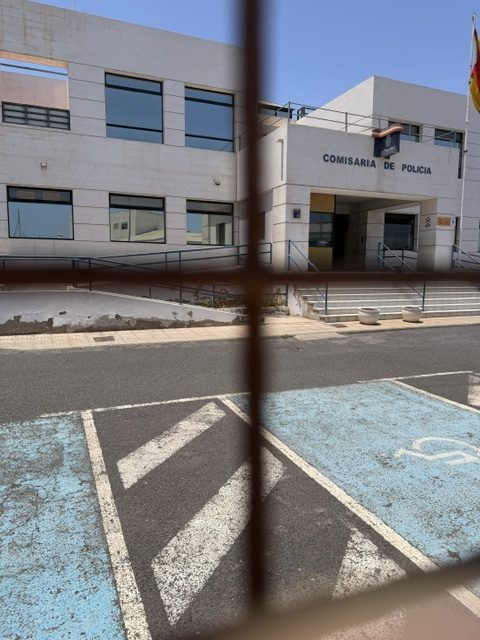
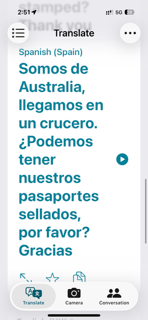
I’d even translated Dave’s carefully rehearsed request into Spanish before walking into the local police station.
Sadly… no luck.
The officers smiled politely but weren’t interested in decorating our passports.
Never mind… at least we can say we tried!
We wandered around the town for another hour before the afternoon sun reminded us that, despite technically being in Europe, we were still only a stone’s throw from Africa and it was getting hot, so we headed back towards the ship!
Then, we spotted a Burger King. Naturally, Dave couldn’t just walk past.
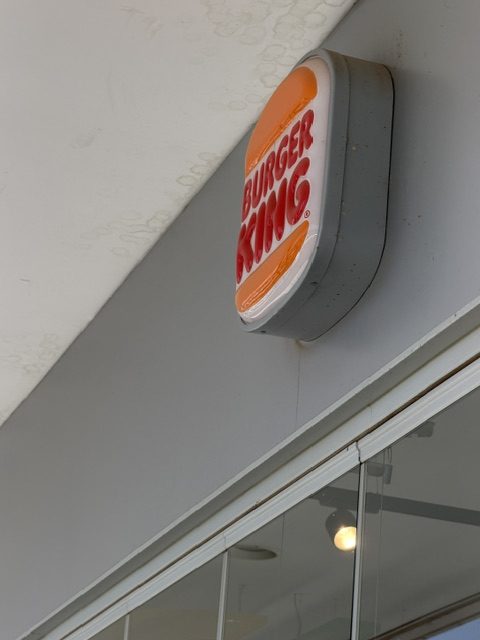
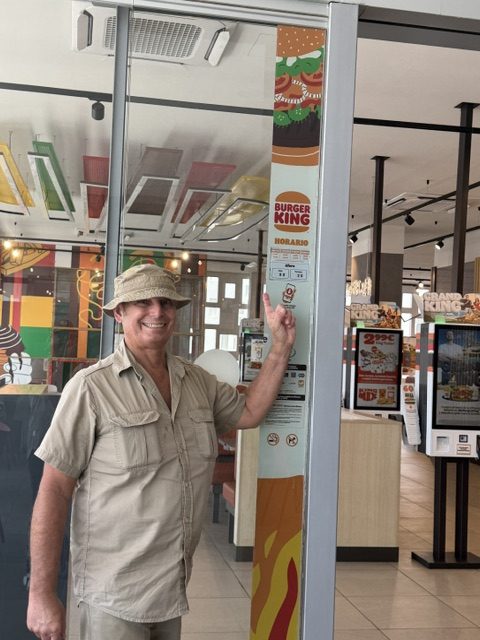
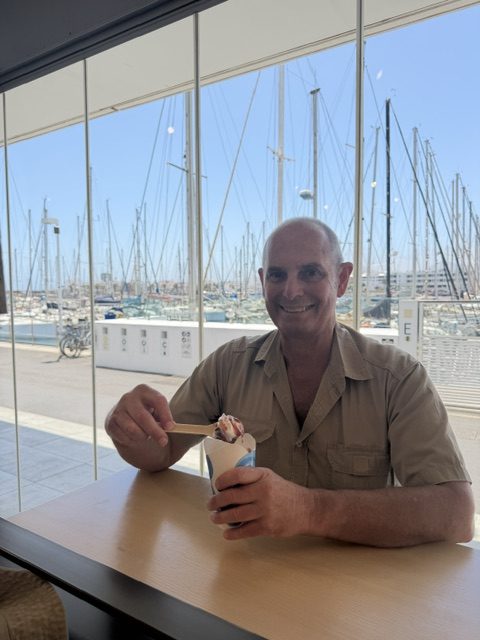
One chocolate sundae later then we wandered back to the ship, arriving just before 3.30pm, where I had a cool shower, then settled in to writing the blog. There will be no time tomorrow as we will be out of Europe and back in Africa – with a stop in Agadir, Morocco.
Sara xx
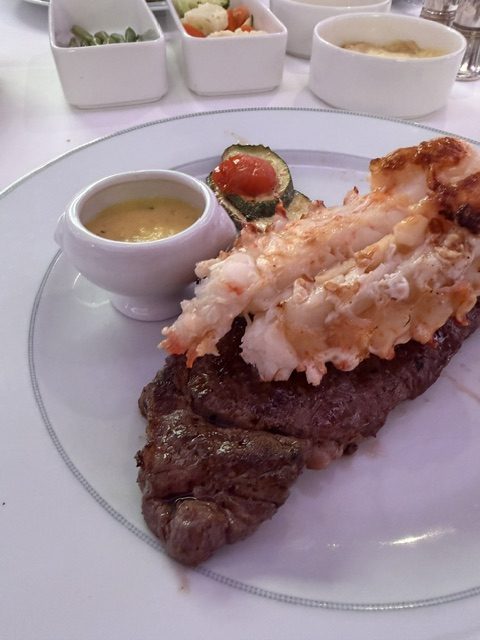
p.s. Ive not talked a lot about food – so here’s a pic of last night’s yummy dinner 🙂
What a landscape! That vineyard is amazing!